
Why Construction Budget Contingencies Matter Before Groundbreaking
Every construction project begins with a plan, but not every condition is visible before work starts. In Portland OR and across Multnomah County, projects may involve older structures, variable site conditions, permitting considerations, seasonal weather, and evolving material availability. A well-planned construction budget contingency gives owners and project teams a practical way to respond to unknowns without losing control of the overall scope.
For Portland General Construction, contingency planning is part of responsible project oversight. Whether the project is design-build, custom homes, home remodeling, additions, or commercial construction, the goal is to identify potential risks early, document assumptions clearly, and create a budget structure that supports informed decisions.
What Is a Construction Budget Contingency?
A construction contingency is a dedicated budget allowance for conditions or needs that cannot be fully confirmed before work begins. It is not a placeholder for unclear estimating, and it should not be treated as extra spending. Instead, it is a controlled planning tool used to address legitimate unknowns.
Common reasons a contingency may be used include:
- Hidden structural conditions discovered during demolition or excavation
- Utility or drainage conflicts that were not visible during early planning
- Permit-driven adjustments requested during review or inspection
- Material substitutions when specified products become unavailable or delayed
- Coordination needs between trades once field conditions are confirmed
A professional Portland general contractor should explain how the contingency is established, what it may be used for, and how approvals will be handled before any funds are applied.
How Portland Project Conditions Influence Contingency Planning
Existing Structures and Older Building Conditions
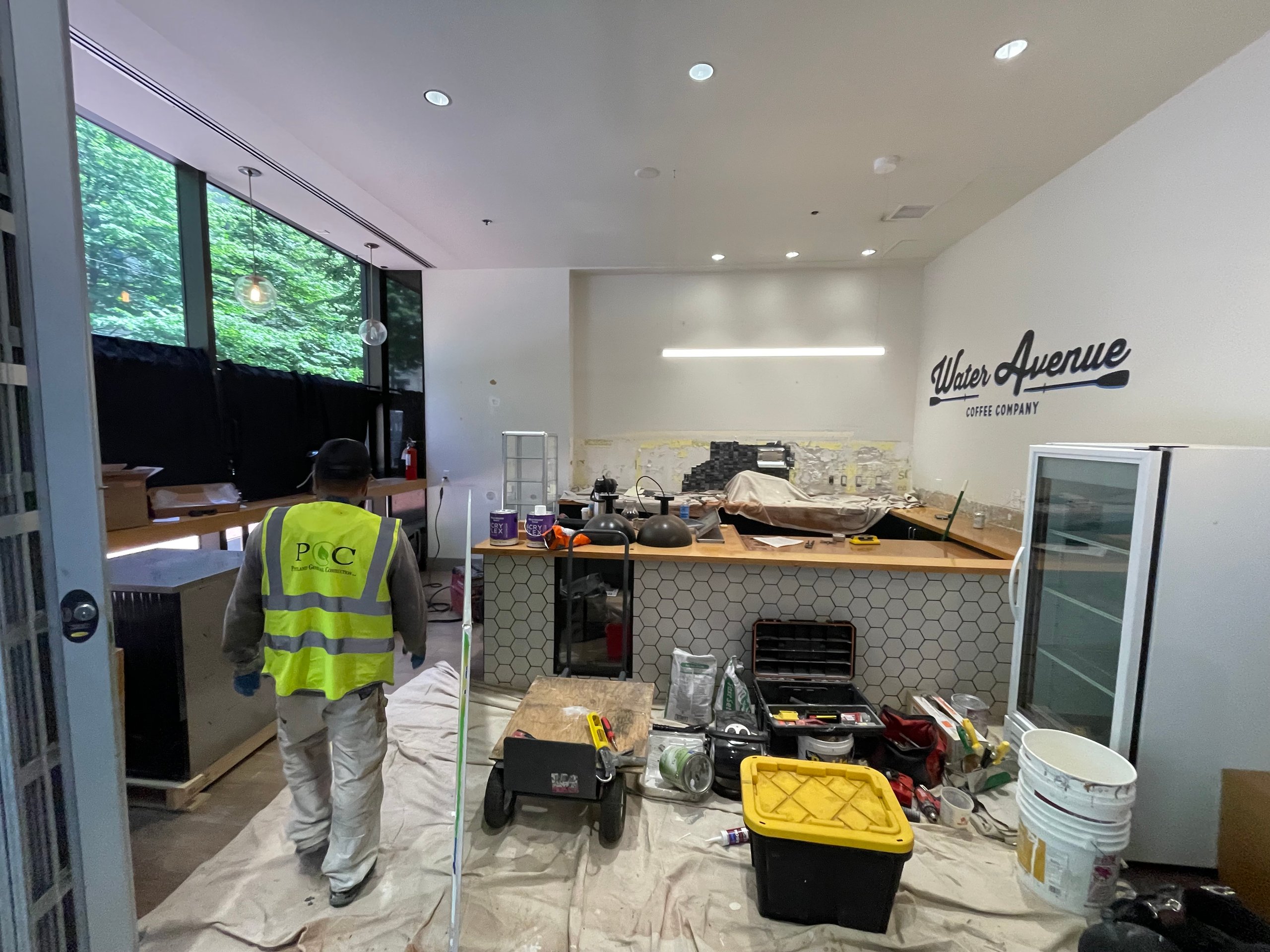
Many home remodeling and additions projects in Portland involve existing buildings with concealed framing, aging mechanical systems, prior modifications, or older foundations. Even with careful inspections, some conditions remain hidden until walls, floors, or ceilings are opened. A contingency helps the team address those findings through a documented process instead of making rushed decisions in the field.
Site Access, Soil, and Drainage Considerations
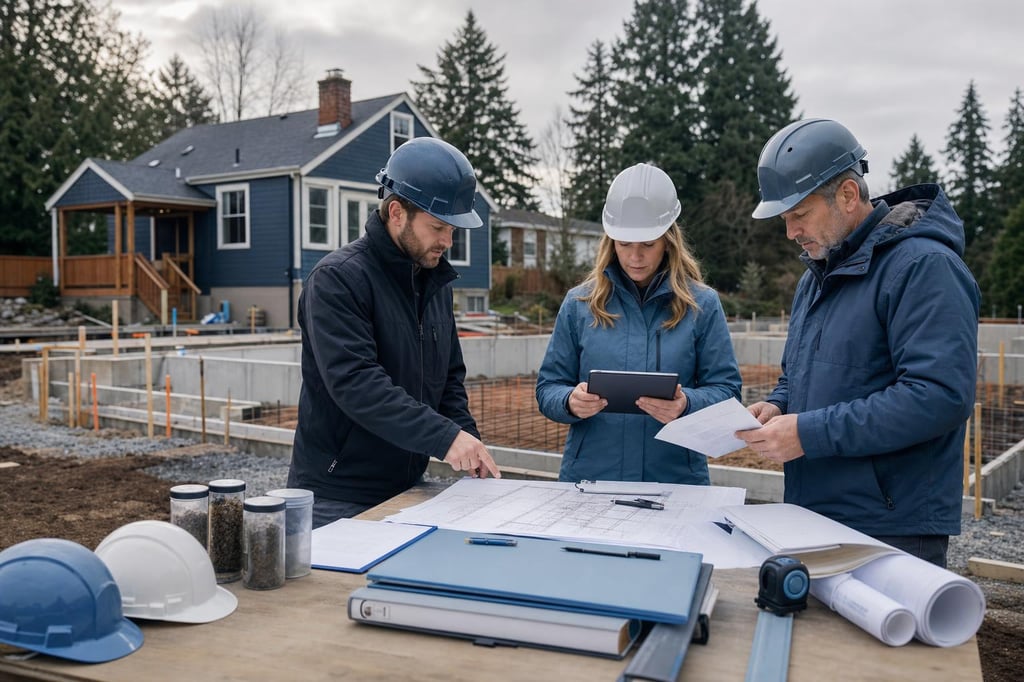
For custom homes, additions, and commercial construction, site logistics can affect both cost and schedule. Sloped lots, tight urban access, stormwater requirements, and excavation conditions can create challenges that are difficult to fully confirm before work begins. Early planning, site walks, and trade input help reduce uncertainty, but a contingency provides an added layer of protection for responsible budgeting.
Permitting and Review Requirements
Permitting is a major planning factor in Portland construction services. While experienced contractors and design teams can anticipate many requirements, plan review comments, code interpretations, and inspection findings may lead to revisions. A contingency gives owners room to address necessary changes while keeping the project process organized.
How General Contractors Build Contingencies Into the Budget
Clarifying Scope Before Pricing
Accurate contingency planning begins with a defined scope. The more complete the drawings, selections, and specifications are, the easier it is to separate known costs from unknown risks. In a design-build process, the contractor, designers, and owner can work together early to align project goals with budget expectations.
Identifying Risk Categories
A detail-oriented licensed contractor will review the project and identify where uncertainty is most likely to occur. These categories may include structural work, excavation, utility connections, building envelope details, specialty finishes, or tenant improvement requirements for commercial construction.
Using Trade Partner Input
Trade partners often understand field conditions and installation requirements in detail. Bringing them into planning can help confirm assumptions, flag coordination issues, and refine allowances before the project reaches groundbreaking.
Documenting Assumptions and Exclusions
A useful construction budget should make clear what is included, what is assumed, and what remains unknown. This documentation helps prevent confusion later and gives the owner a better understanding of how the contingency relates to the overall project plan.
Contingency vs. Allowance vs. Change Order
These terms are sometimes used interchangeably, but they serve different purposes:
- Contingency: A budget reserve for unknown conditions or project risks that cannot be fully confirmed before construction.
- Allowance: A set amount assigned to an item that has not yet been selected or fully specified, such as fixtures, tile, or certain finishes.
- Change order: A formal adjustment to scope, cost, or schedule after the contract is in place.
Clear definitions are important. Owners should understand whether a cost is being carried as an allowance, managed through contingency, or documented as a change order.
How Project Oversight Helps Control Contingency Use
A contingency is only effective when it is managed carefully. Strong project oversight includes communication, documentation, and timely decision-making. Before a contingency item is approved, the contractor should explain the reason, provide available options, and document the impact on budget and schedule.
Good oversight may include:
- Regular budget updates throughout the project
- Written approval before contingency funds are used
- Clear descriptions of field conditions and proposed solutions
- Coordination with designers, engineers, inspectors, or trade partners when needed
- Transparent tracking of remaining contingency balance
This process helps owners stay informed and reduces the likelihood of surprises at the end of the project.
Why Design-Build Can Improve Contingency Planning
Design-build construction brings planning, design, estimating, and construction expertise together earlier in the process. This can be especially useful for Portland projects where site conditions, permitting, and existing building constraints may influence both design and cost.
With design-build, the team can evaluate options in real time, align design decisions with budget goals, and identify potential risk areas before construction documents are finalized. While no process removes every unknown, early collaboration can make the contingency more informed and easier to manage.
Questions Owners Should Ask About Contingencies
Before signing a construction agreement, owners should ask direct questions about how contingencies will be handled. Helpful questions include:
- What unknowns are most likely for this specific project?
- How was the contingency amount determined?
- Who approves the use of contingency funds?
- How will contingency spending be documented?
- What happens if the contingency is not fully used?
- How do allowances, change orders, and contingency funds differ in this estimate?
The answers should be specific to the project, not generic. Always verify licensing and project details prior to engagement.
Plan for Unknowns With Portland General Construction
Construction contingencies are not about expecting problems; they are about planning responsibly. With careful estimating, clear communication, and disciplined project oversight, a contingency can help keep custom homes, remodeling, additions, commercial construction, and other construction services moving forward when unknowns appear.
Portland General Construction helps clients in Portland OR and Multnomah County plan with clarity from the earliest stages of the project. To discuss your goals, scope, and budget approach, Book consultation
Frequently Asked Questions
A construction contingency should cover legitimate unknowns that cannot be fully confirmed before work begins. For Portland projects, that may include concealed structural conditions, site access challenges, utility conflicts, drainage considerations, or permitting-related adjustments. It should be tracked separately and used only with clear approval.
No. A contingency is used for unknown project risks, while an allowance is a budgeted amount for an item that has not yet been fully selected or specified. For example, a finish selection may be carried as an allowance, while hidden framing repair discovered during demolition may be handled through contingency.
A design-build contractor can evaluate scope, constructability, budget, and permitting considerations earlier in the process. This collaboration helps identify risk areas before construction begins and can make the contingency more accurate and easier to manage during the project.
The approval process should be defined before construction starts. In most well-managed projects, the contractor documents the condition, explains the recommended solution, outlines the budget impact, and obtains owner approval before applying contingency funds.
Most construction projects benefit from some form of contingency planning, especially remodels, additions, custom homes, and commercial construction where unknown field conditions may arise. The appropriate approach depends on the project scope, site conditions, design status, and permitting requirements.