
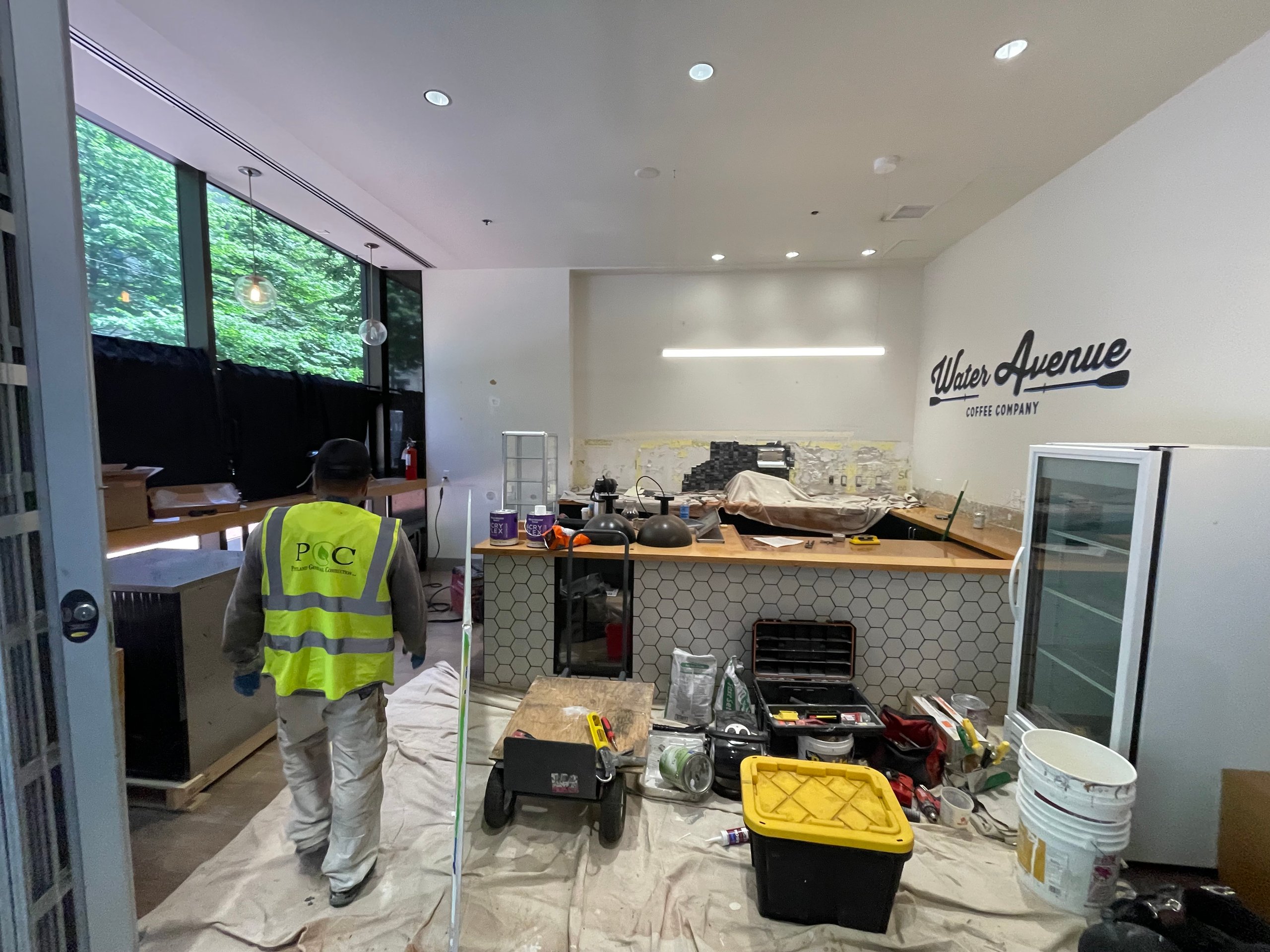

Why Construction Scheduling in Portland Requires Local Expertise
A successful construction timeline depends on careful planning, clear communication, and responsive project oversight. In Portland OR and across Multnomah County, schedules are shaped by more than the scope of work. Weather patterns, permitting requirements, inspection availability, material lead times, and trade coordination can all influence when work begins, how it progresses, and when a project is ready for completion.
Whether you are planning home remodeling, additions, custom homes, design-build construction, or commercial construction, working with a knowledgeable Portland general contractor helps you understand what to expect and how each phase connects to the next.
How Portland Weather Can Affect Construction Timelines
Portland’s seasonal conditions can influence many parts of a construction schedule, especially projects involving excavation, framing, roofing, siding, concrete, exterior finishes, and site access. Rain, wind, cold temperatures, and shorter daylight windows may require sequencing adjustments to protect materials, maintain safety, and preserve workmanship.
Weather-Sensitive Phases to Plan Carefully
- Site preparation and excavation: Saturated soil can affect access, trenching, grading, and foundation work.
- Concrete and foundation work: Temperature and moisture conditions may affect placement planning and curing considerations.
- Framing and dry-in: Crews often prioritize getting the structure weather-protected before interior systems and finishes begin.
- Roofing, siding, and exterior finishes: Weather windows may be needed for safe installation and proper product performance.
- Interior finishes: Some materials perform best when moisture levels and temperature conditions are controlled.
A detail-oriented construction schedule should include realistic weather considerations rather than assuming every phase can proceed under ideal conditions.
Permitting and Plan Review: A Key Part of the Schedule
Permitting is a major scheduling factor for many construction services in Portland. Depending on the project type, plans may need review before work can begin. This can apply to additions, structural remodeling, custom homes, tenant improvements, and certain commercial construction projects.
A design-build approach can help align design decisions, budget planning, permitting requirements, and construction sequencing earlier in the process. When the design team and construction team coordinate from the beginning, potential conflicts may be identified before they cause field delays.
What Can Influence Permitting Timeframes?
- Project complexity: Structural changes, site conditions, accessibility requirements, and building systems can add review layers.
- Completeness of documents: Clear plans, specifications, and supporting details can reduce back-and-forth during review.
- Jurisdiction requirements: Portland and Multnomah County projects may involve specific local review steps depending on location and scope.
- Revisions: Changes during plan review can affect the schedule if updated documents are required.
Because permitting requirements vary, property owners should confirm project details with a licensed contractor and the appropriate local authority before relying on a target start date.
Inspections: Milestones That Shape the Build
Inspections help confirm that work is ready to move from one phase to the next. For many projects, certain work must remain visible until inspected. This makes inspection planning essential to keeping the schedule organized.
Common Inspection-Related Scheduling Considerations
- Rough-in approvals: Electrical, plumbing, mechanical, and framing inspections may need to occur before insulation and drywall.
- Correction items: If an inspector requests changes, the schedule may need to account for follow-up work and reinspection.
- Trade availability: The right subcontractor may need to return promptly after an inspection to keep the next phase moving.
- Final inspections: Completion planning should account for final reviews, punch list items, and any closeout documentation.
Strong project oversight helps keep inspections aligned with field progress so work does not move ahead before required approvals are complete.
Trade Coordination: The Backbone of a Realistic Timeline
Construction involves many skilled trades working in a specific order. On a remodeling project, for example, demolition may need to be completed before framing, framing before rough-in systems, rough-ins before insulation, and insulation before drywall. In commercial construction, coordination may also involve building access, tenant operations, specialty systems, and phased occupancy needs.
When trades are not sequenced properly, one delay can affect several others. A qualified Portland general contractor helps coordinate subcontractors, materials, inspections, and site logistics so each team has the information and conditions needed to perform their work efficiently.
Examples of Trade Dependencies
- Framing before mechanical routing: Walls, floors, and ceilings often need to be framed before systems can be installed.
- Plumbing and electrical before drywall: Rough-in work usually needs inspection before walls are closed.
- Cabinets after drywall and flooring preparation: Finish trades depend on accurate dimensions and prepared surfaces.
- Exterior envelope before interior finishes: The structure should be protected from weather before sensitive finishes are installed.
Material Lead Times and Product Decisions
Materials can also affect the construction schedule. Windows, doors, cabinetry, structural components, fixtures, and specialty finishes may require advance ordering. Late selections or product changes can create ripple effects, especially if a trade is scheduled around a specific delivery date.
For design-build projects, early product selection can help the team plan around lead times and reduce uncertainty. This is especially useful for custom homes, additions, and higher-detail remodeling projects where finish selections and structural requirements must work together.
How a General Contractor Builds a Practical Schedule
A reliable construction schedule is more than a calendar. It is a coordinated plan that connects design, permitting, procurement, labor, inspections, and site conditions. While no contractor can eliminate every variable, good planning can reduce surprises and make adjustments easier to manage.
What Strong Schedule Management Includes
- Preconstruction planning: Reviewing scope, drawings, site conditions, budget priorities, and permitting needs before work begins.
- Clear sequencing: Organizing each phase so trades can complete work in the correct order.
- Communication: Keeping owners informed about upcoming milestones, decisions, and potential schedule impacts.
- Inspection coordination: Planning required inspections at appropriate points in the project.
- Contingency planning: Accounting for weather, revisions, material changes, and other realistic construction variables.
Planning a Construction Project in Portland OR
If you are preparing for home remodeling, additions, custom homes, or commercial construction in Portland OR, the best time to discuss scheduling is early in the process. The more complete the project information is at the beginning, the easier it is to create a realistic timeline and identify possible constraints.
Portland General Construction provides construction services with professional project oversight, design-build knowledge, and local experience. Always verify licensing and project details prior to engagement, and make sure your contractor understands the permitting, inspection, and coordination requirements connected to your scope of work.
Start Your Project with Portland General Construction
Ready to discuss your schedule, scope, and next steps? Contact Portland General Construction today to start your construction project. For practical next steps, Explore services and talk with the team about timing, scope, and the right path for your situation.
Frequently Asked Questions
Weather can affect exterior work, excavation, concrete placement, framing, roofing, siding, and site access. A Portland general contractor should plan for seasonal conditions and sequence work to protect materials, maintain safety, and keep the project moving when conditions allow.
Yes. Permitting and plan review can influence when construction begins, especially for structural changes, additions, custom homes, and commercial construction. Complete drawings, clear scope details, and early coordination can help reduce avoidable back-and-forth, but review requirements vary by project and jurisdiction.
Inspections are required checkpoints before certain work can be covered or advanced. For example, framing, plumbing, electrical, and mechanical work may need approval before insulation or drywall. If corrections are requested, the schedule may need to account for follow-up work and reinspection.
Trades often depend on one another. Framing may need to be complete before rough-in systems, and rough-ins often need approval before finishes begin. Strong project oversight helps coordinate subcontractors, materials, inspections, and access so each phase is ready for the next.
It is best to discuss scheduling early, ideally during preconstruction or design-build planning. Early conversations help clarify scope, permitting needs, material selections, inspection milestones, and realistic timing for home remodeling, additions, custom homes, and commercial construction projects in Portland OR.